Talo House
An upcycled design project
Hello,
my name is Tuula, but you may also call me by my artist name Esther Punny. I first started my upcycled design project Talo House during the pandemic. I had plenty of time in my hands, so I began experimenting with sewing, utilising old clothes as my material, as well as creating a visual identity as a sustainable designer. I have always loved nature dearly, so creating things in a way that has minimal impact on the environment will always be my priority.
From the start, Talo House has been a hybrid upcycling project combining all my visual passions: photography, clothing and textile design, styling, visual art, and collage. As the ideas grow, I have also expanded into jewelry, and I am sure, as time goes on, I will come up with even more ways to express the joy of making new things with used materials. The mission of Talo House is to save as much material from the landfill as possible, and I am also committed to utilizing as many second-hand materials and tools in all my production as possible.
Below you can read more about my method and find examples of my work. I am always excited to receive an inquiry for a custom project – feel free to contact me!

Founder of Talo House
Ps. Read more about my other creative work here.
The Talo House method
My past projects include: upcycled clothing, textiles, jewelry, notebooks, and home decor. You can learn more about the individual projects on my Instagram by clicking the button below.
Typically, my projects begin with a discarded item and a simple question: How can I restore the usability of this item? The answer depends on why the item was discarded in the first place. Find examples of these kind of restoration projects below!
Case 1: Diamond in the rough
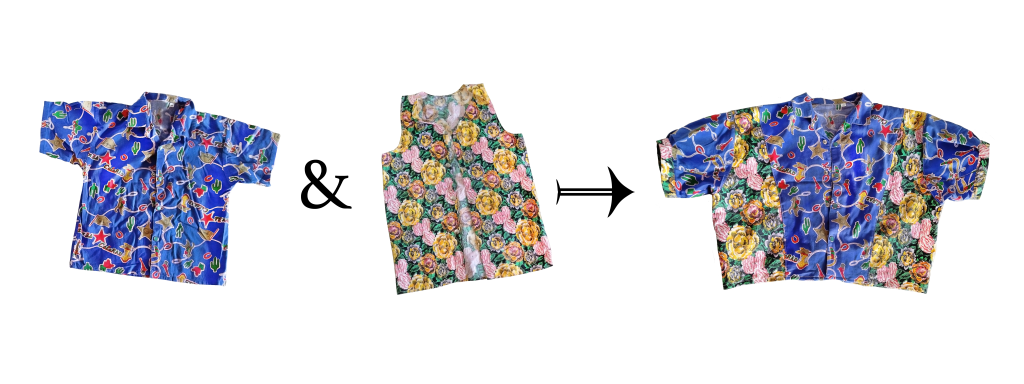
I often stumble upon pieces (thrifted, stoop finds, or donations from friends) that are not quite what I want, but still have something intriguing about them. It may be many things, but high-quality materials, unusual color/ details, and original design choices are often what draw my eye. I like to use the potential I see as a catalyst for my creative process. For example, I found these two children´s shirts with beautiful fabrics and colors. Inspired by the Western-themed shirt, I created the final design by combining two shirts into one. Visually, the final shirt looks like two shirts on top of each other, the floral being used as a ”vest”. This way, it mimics a classic layering style in movies and other visual materials related to this aesthetic.
Case 2: Almost perfect
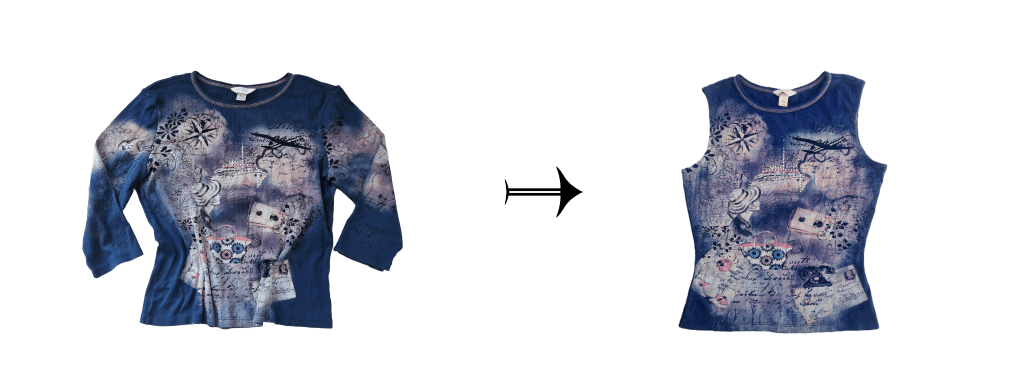
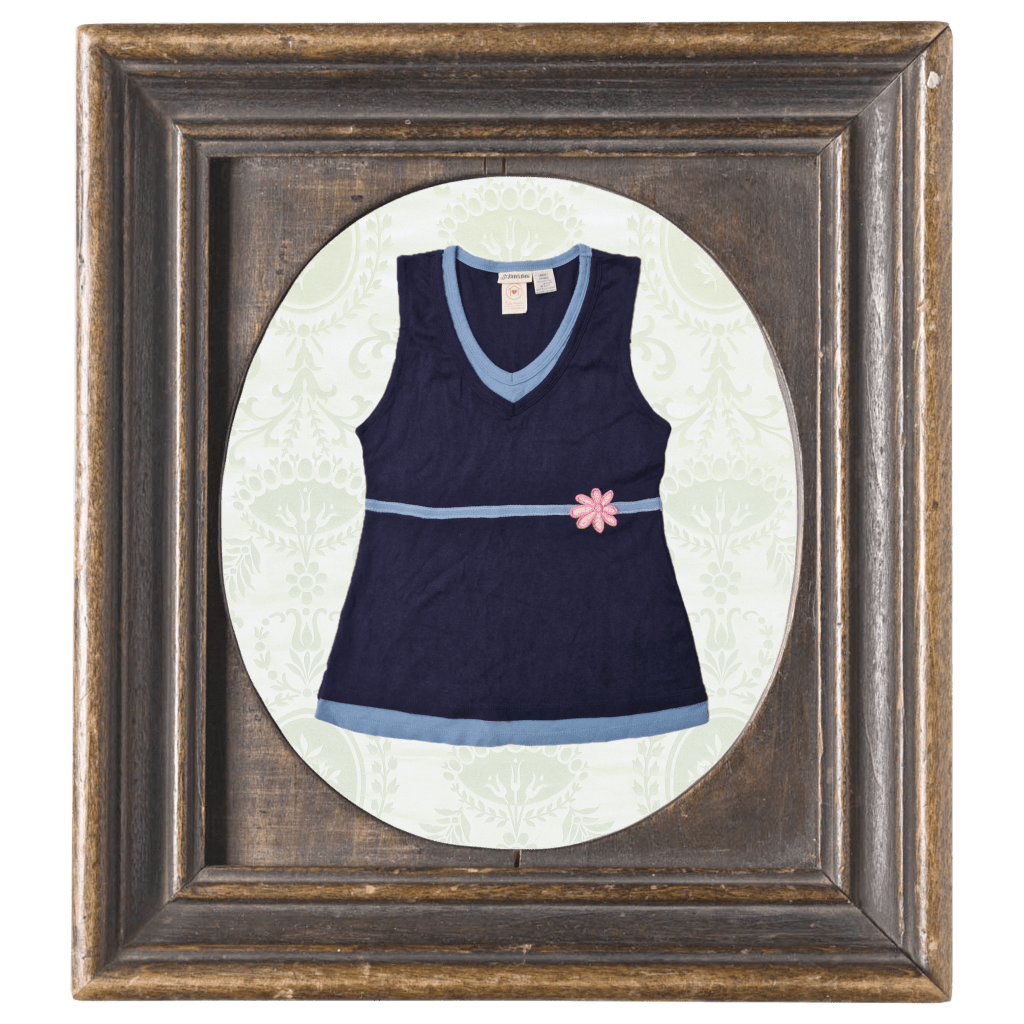
Many pieces I find are just one tailoring session away from being the dream. For some time, my favorite era of fashion has been the beginning of the 2000s, and especially the subversive, layered styles that lean into the editorial side of fashion design. Whenever I stumble upon such pieces, I tend to hold on to them for their historical value, whether they fit me or not. However, I also want to avoid a museum mentality and try to only own clothes I actually wear. Therefore, I typically upcycle my loveliest ill-fitting finds into something that suits my purpose, such as the shirt below, which I turned from an impractical, loose-fitting 3/4-sleeve top into a body-hugging tank top.
Case 3: Mend my broken heart
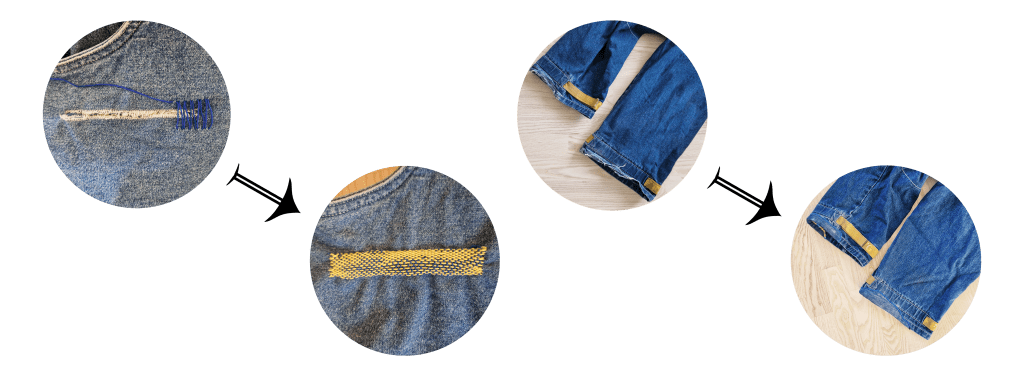
Sometimes, there´s nothing particularly wrong with an item, but it needs a little bit of mending care. I think repairing makes any item infinitely more special, and I am a devoted advocate of visible mending. I generally use different simple embroidery techniques and darning to mend. I always keep practicality and durability as my top priority when mending, making sure to leave the mended item stronger than it was new. Find some examples of my mending work below.
Case 4: Trash into treasure
I admit it, I am a keen collector (or a hoarder, if one is pedantic) of beautiful things. I especially like to collect items that are useless to me in their current form, such as small pieces of novelty fabric, buttons, and beads. However, to keep my collection alive, I want to make sure there is a certain kind of rotation going on. I use a two-step method to ensure this. First, I create lists of things I need to make from scratch. These are items that are not possible for me to purchase, either because of the high price or because they do not exist in the form I would prefer. Second, I look at my collection of things and pick the victims to be turned into an item from my list. For textiles, I often use customization techniques such as freehand embroidery to add ”drawings” to these special items.
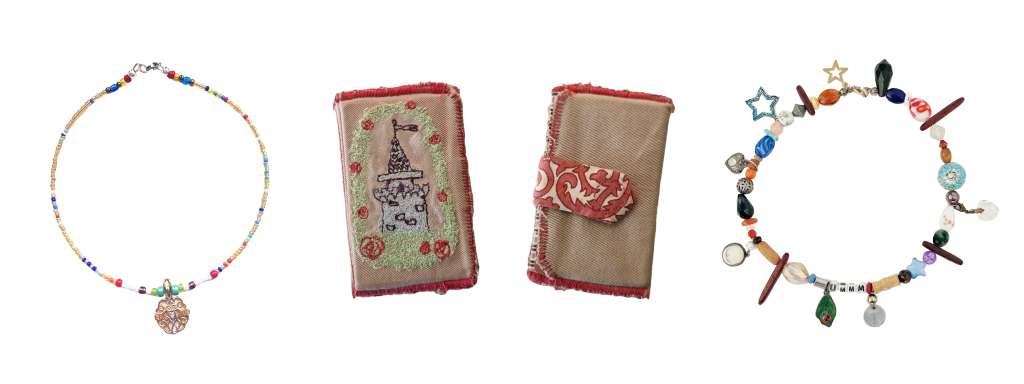
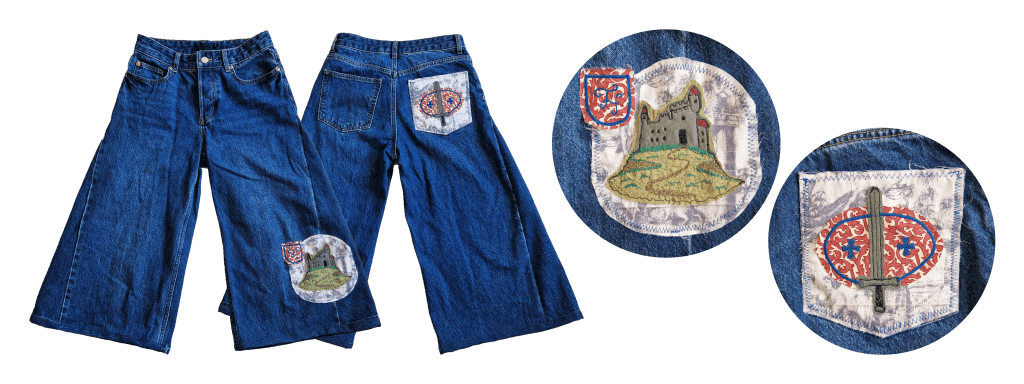
These are some of the items I have created using my trash-into-treasure method: necklaces from second-hand beads, a wallet using novelty fabric scraps and free-hand embroidery, and castle themed patches for jorts with free-hand embroidery.
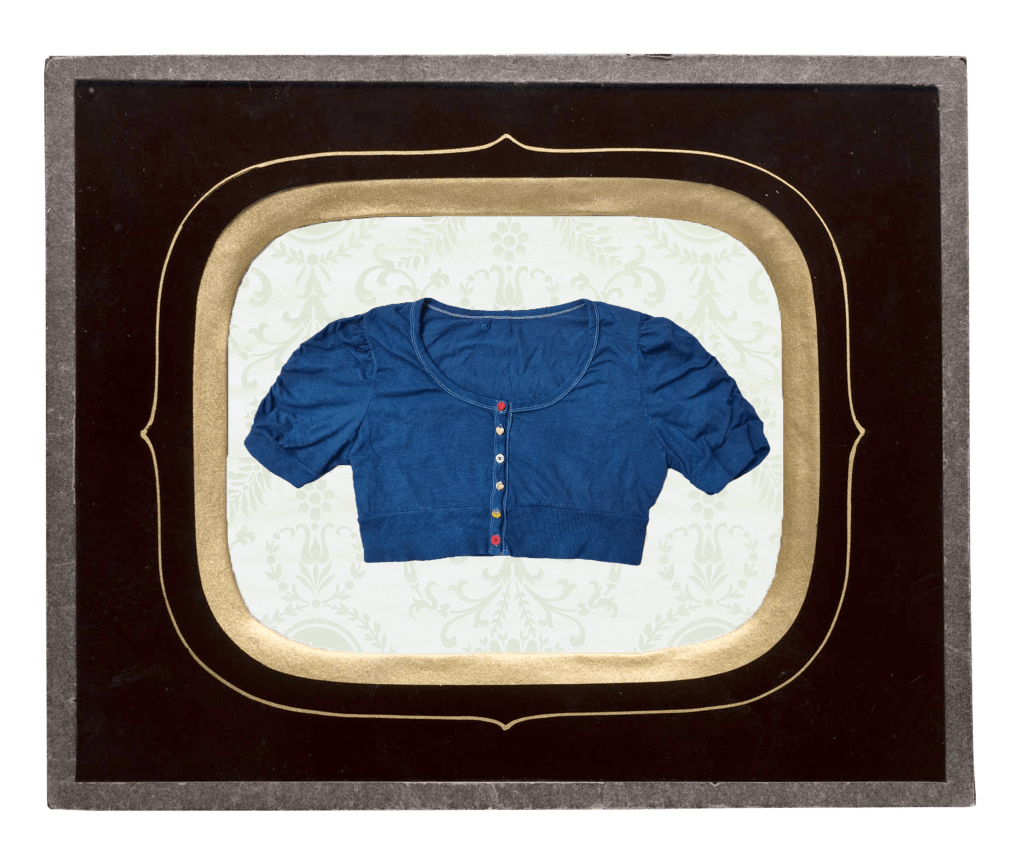
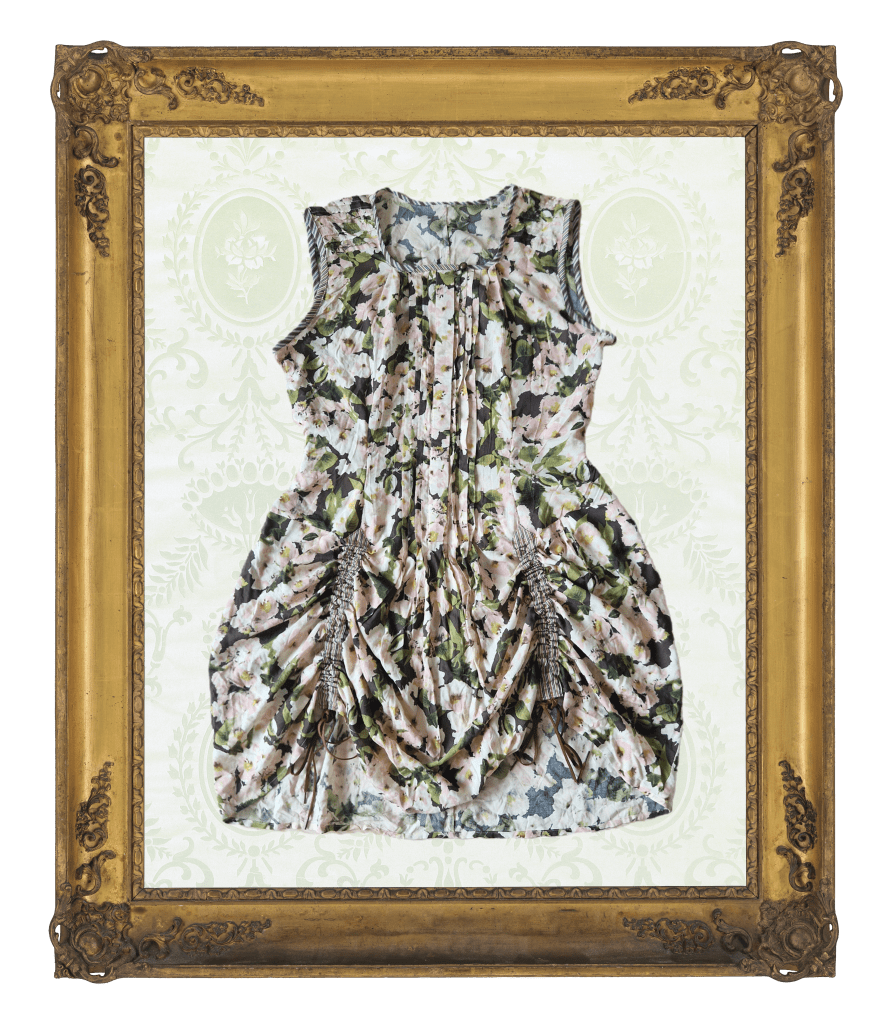
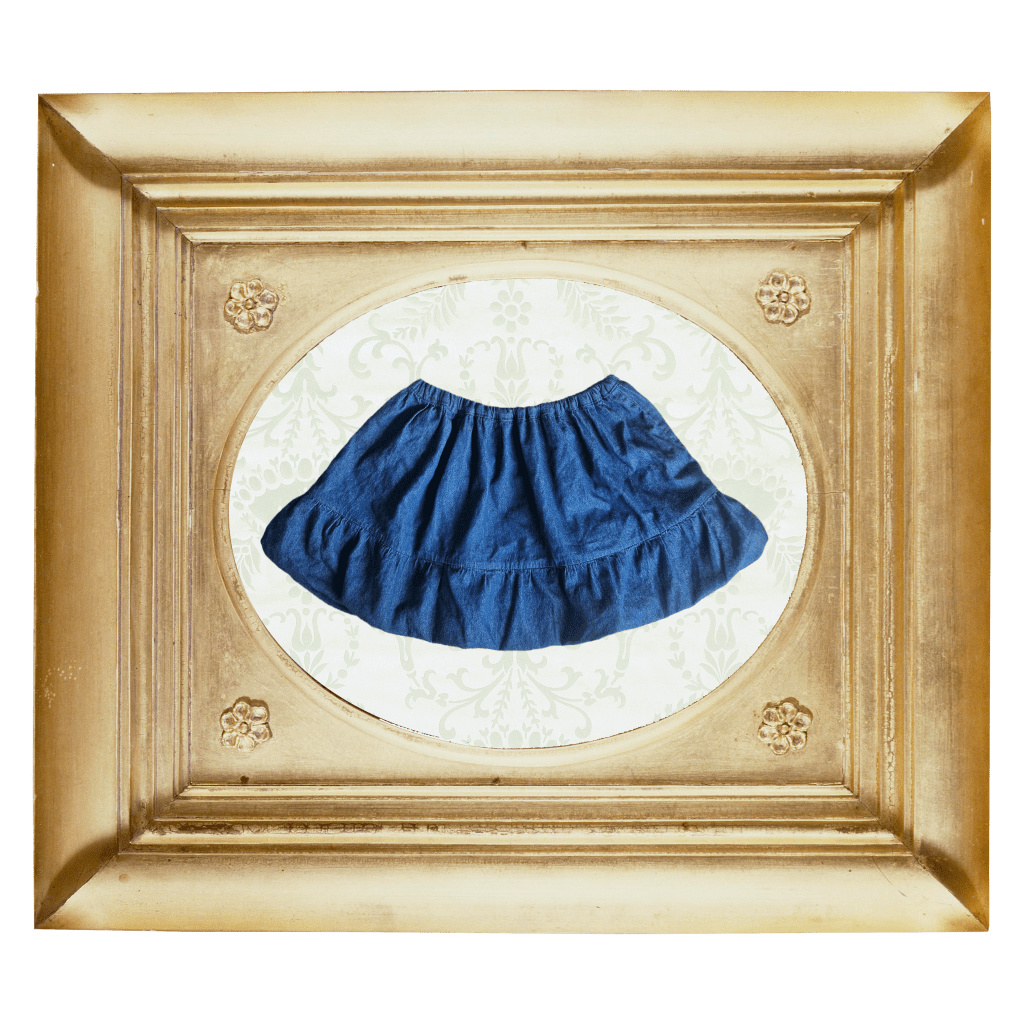
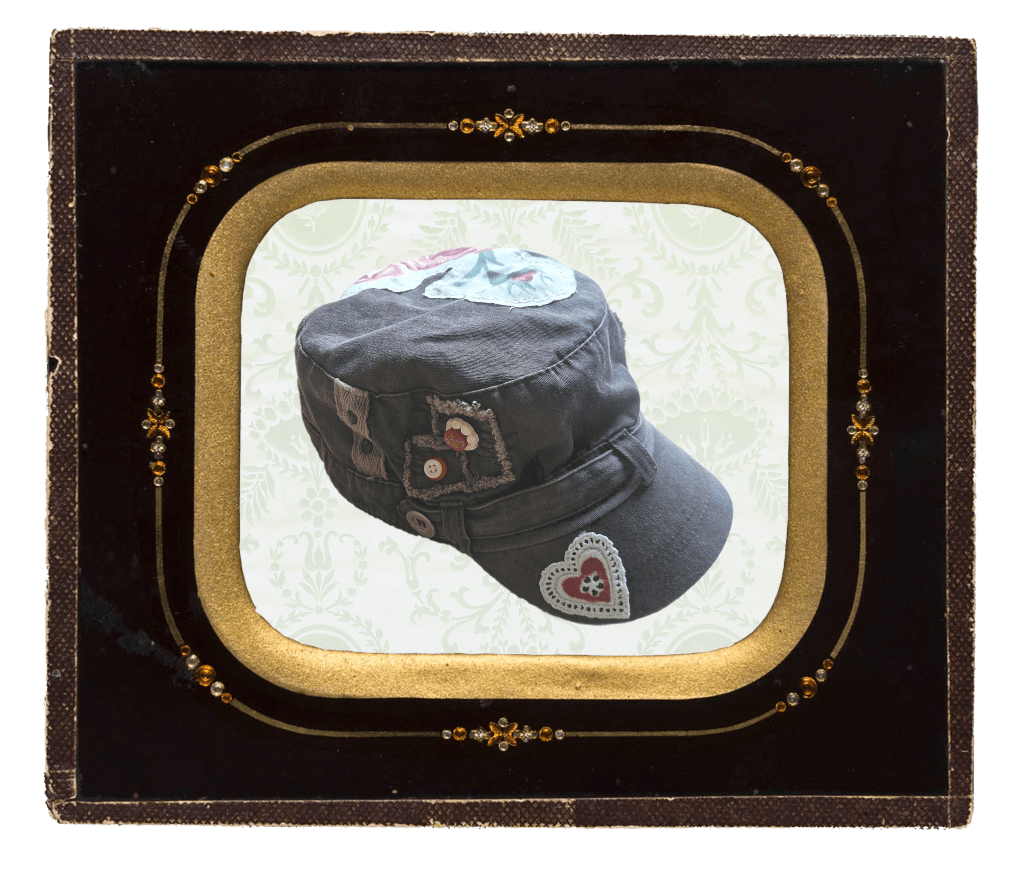
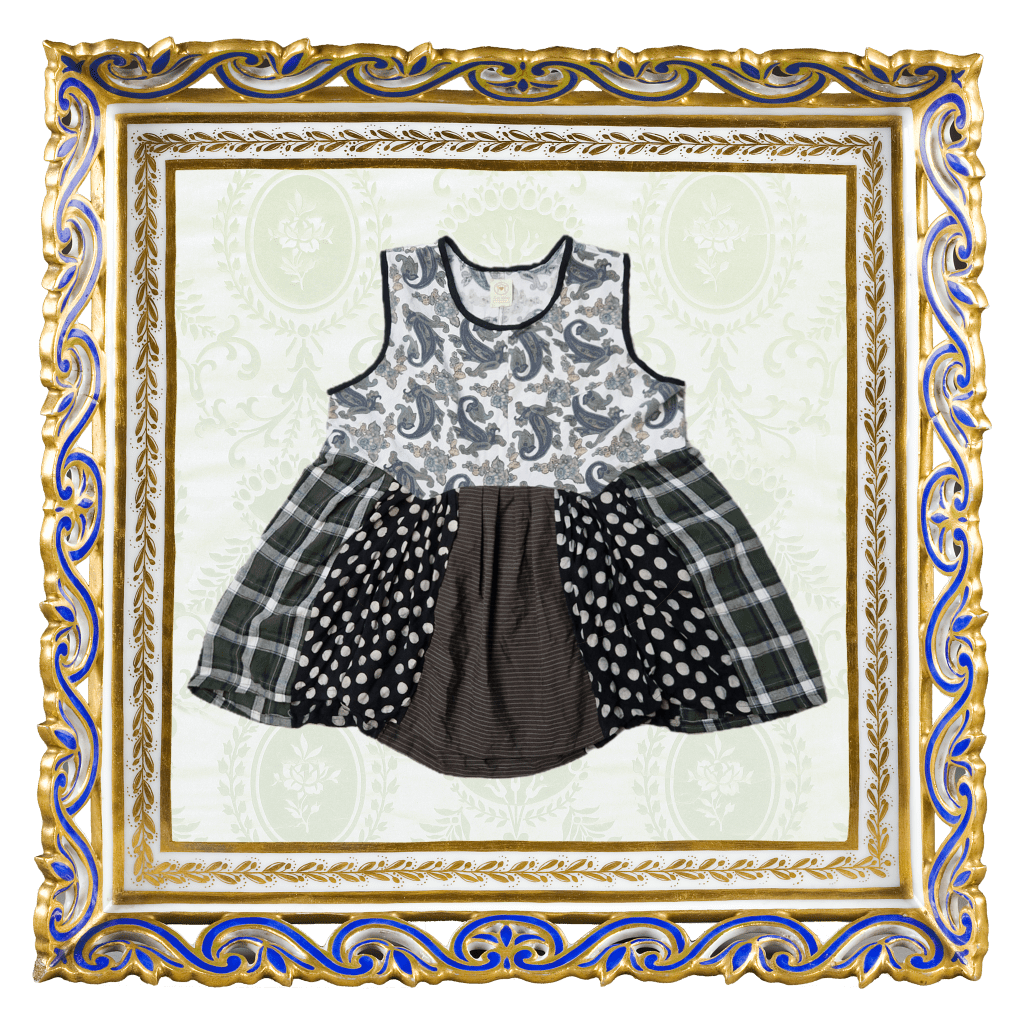
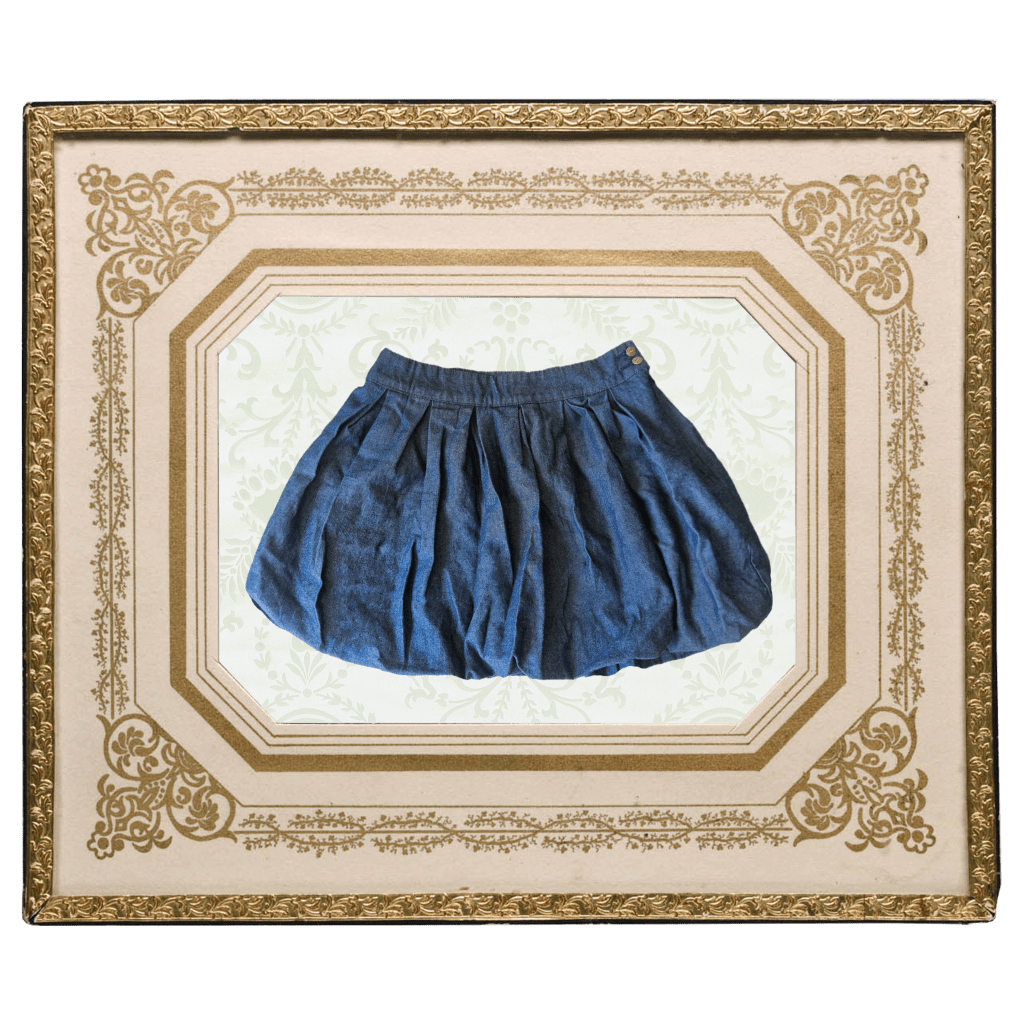
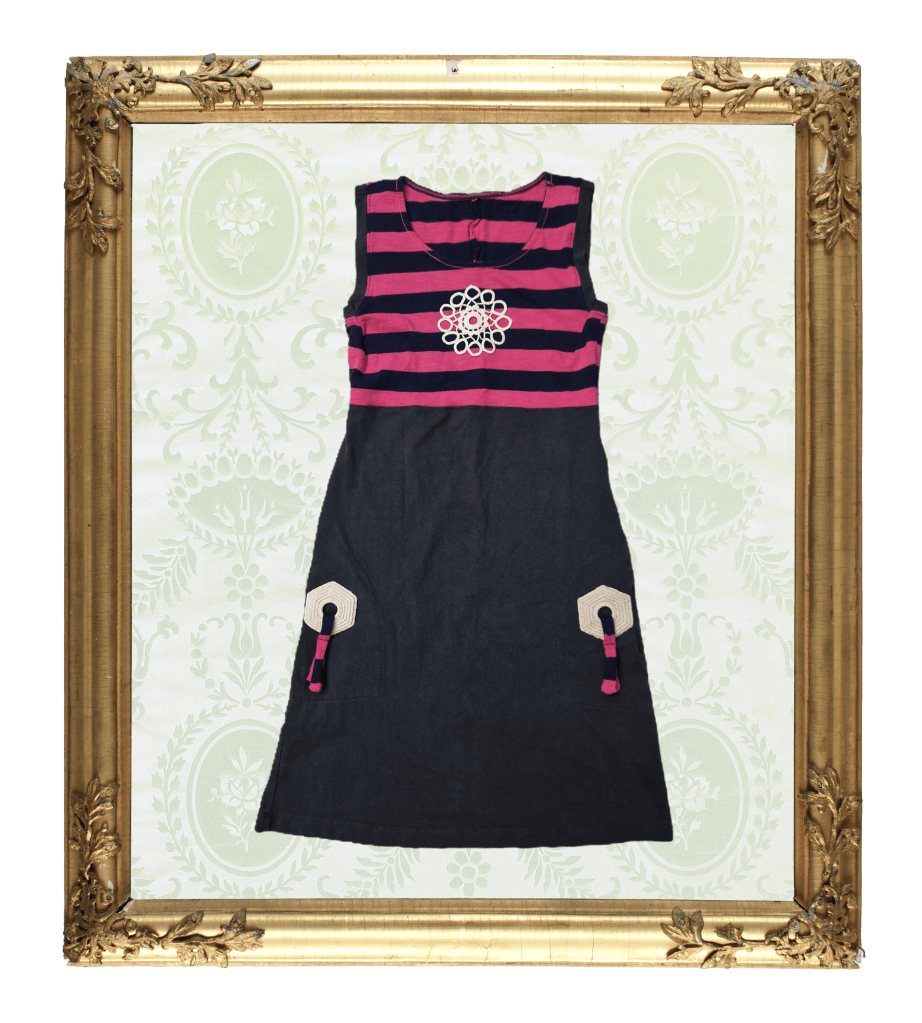
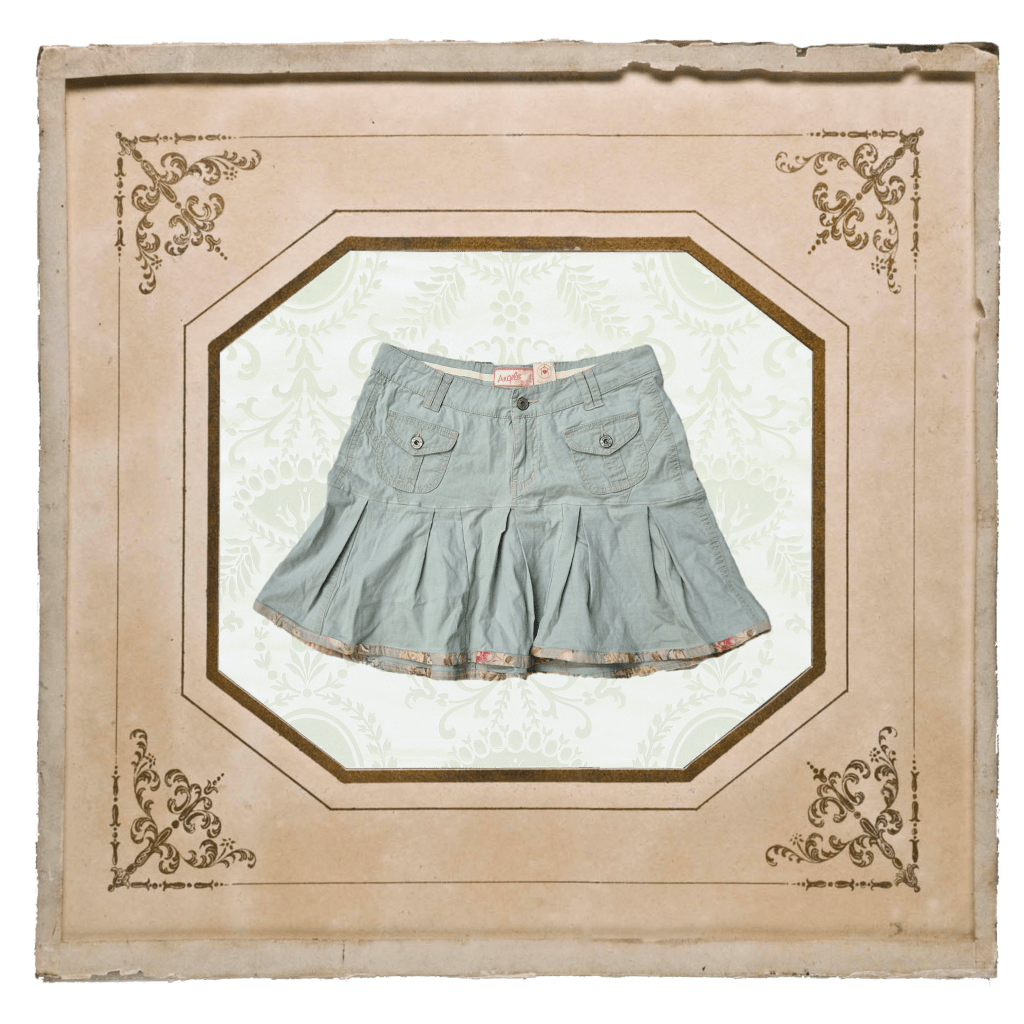
Talo House Capsule Collection Spring ´25
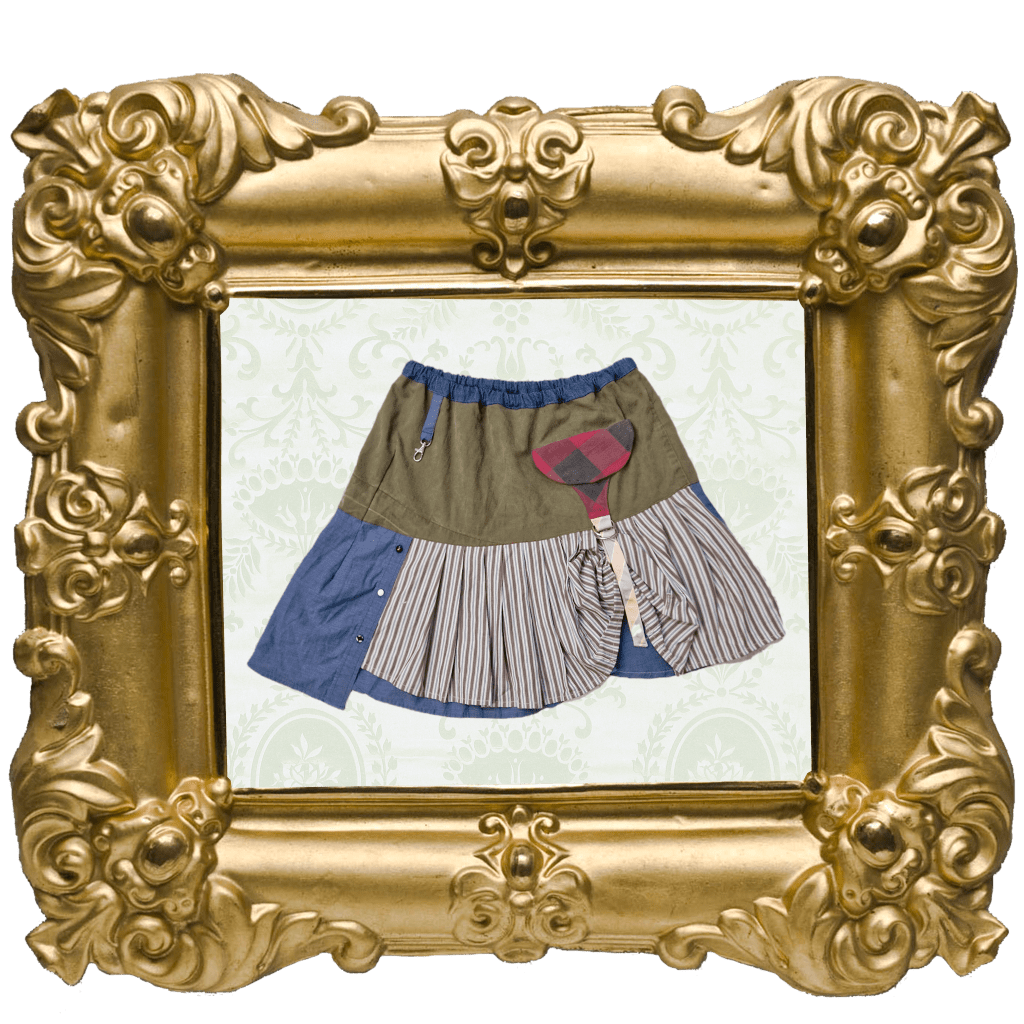
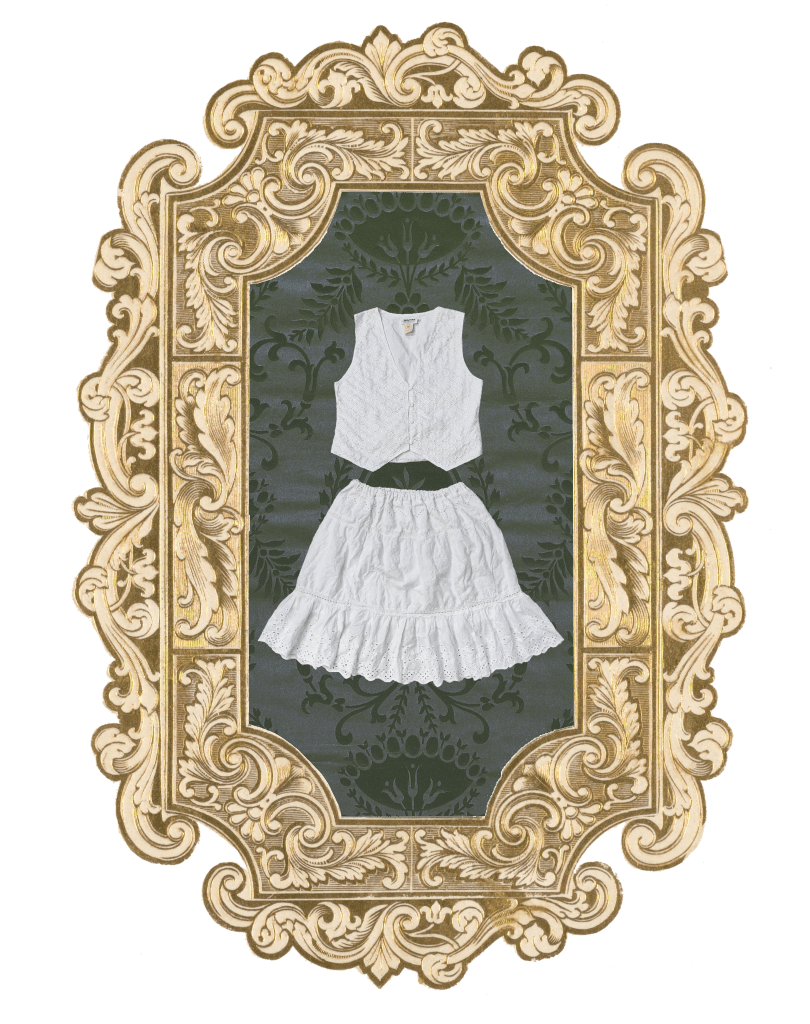
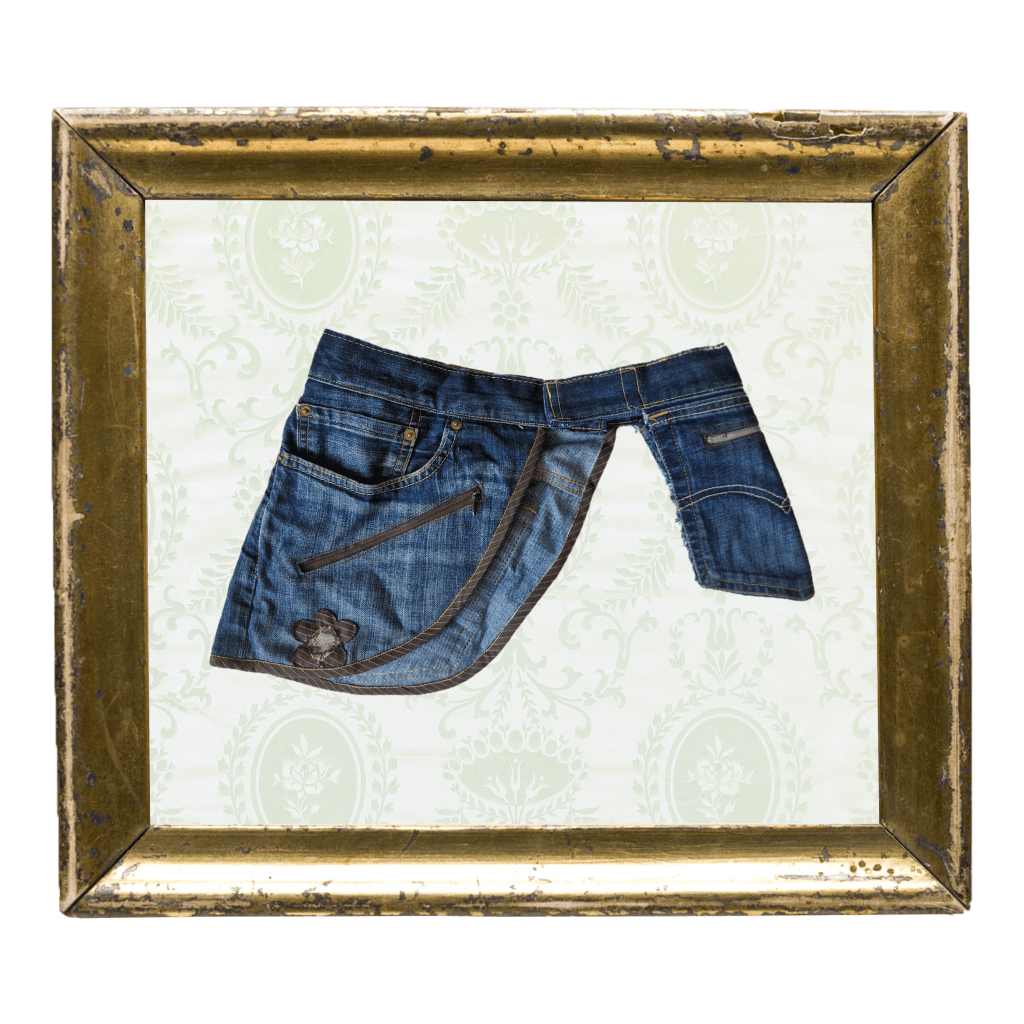
This capsule clothing collection is inspired by two paintings: The Secret Rendezvous by Pierre-Charles Comte, and Hellelil and Hildebrand, the meeting on the turret stairs by Frederic William Burton. The collection is an enchanted combination of the Middle Ages aesthetics, subversive Y2K fashion, and just a hint of Pippi Longstocking whimsy. It radiates eclectic joy and adventurous spirit. All pieces use carefully curated second-hand materials as their base.
Click on the arrows to see the full collection!





Talo House community projects
Even though creating is fun, I have always felt a special calling to share my skills via education, as well. My first profession is a dance teacher, and as my skill set has grown, I have become more confident in sharing my knowledge in other creative areas as well, especially in the realm of circular design. Teaching people to see the potential in discarded items can be approached in many ways, but I like to use two main principles.
Approach 1 – workshop it
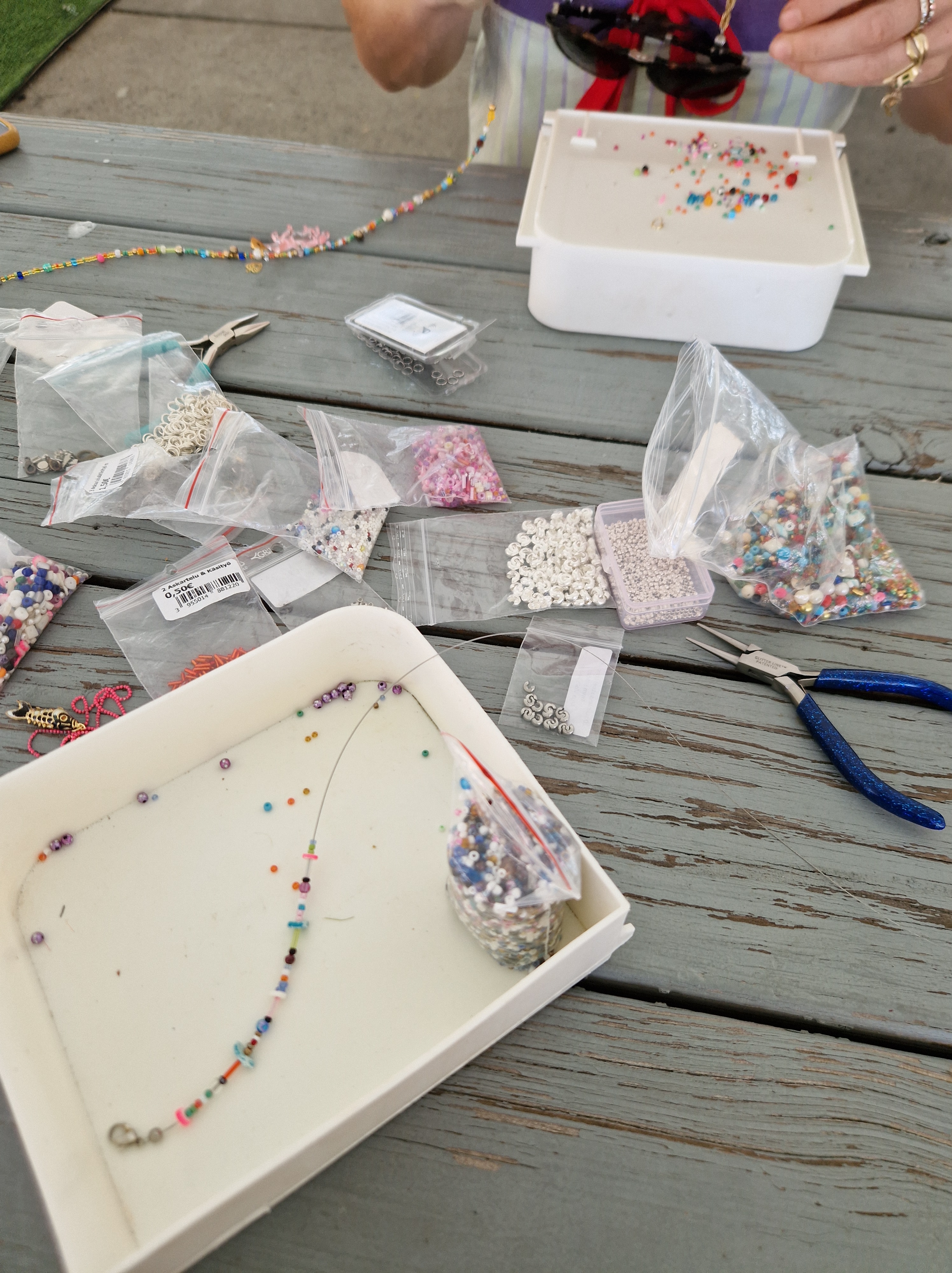
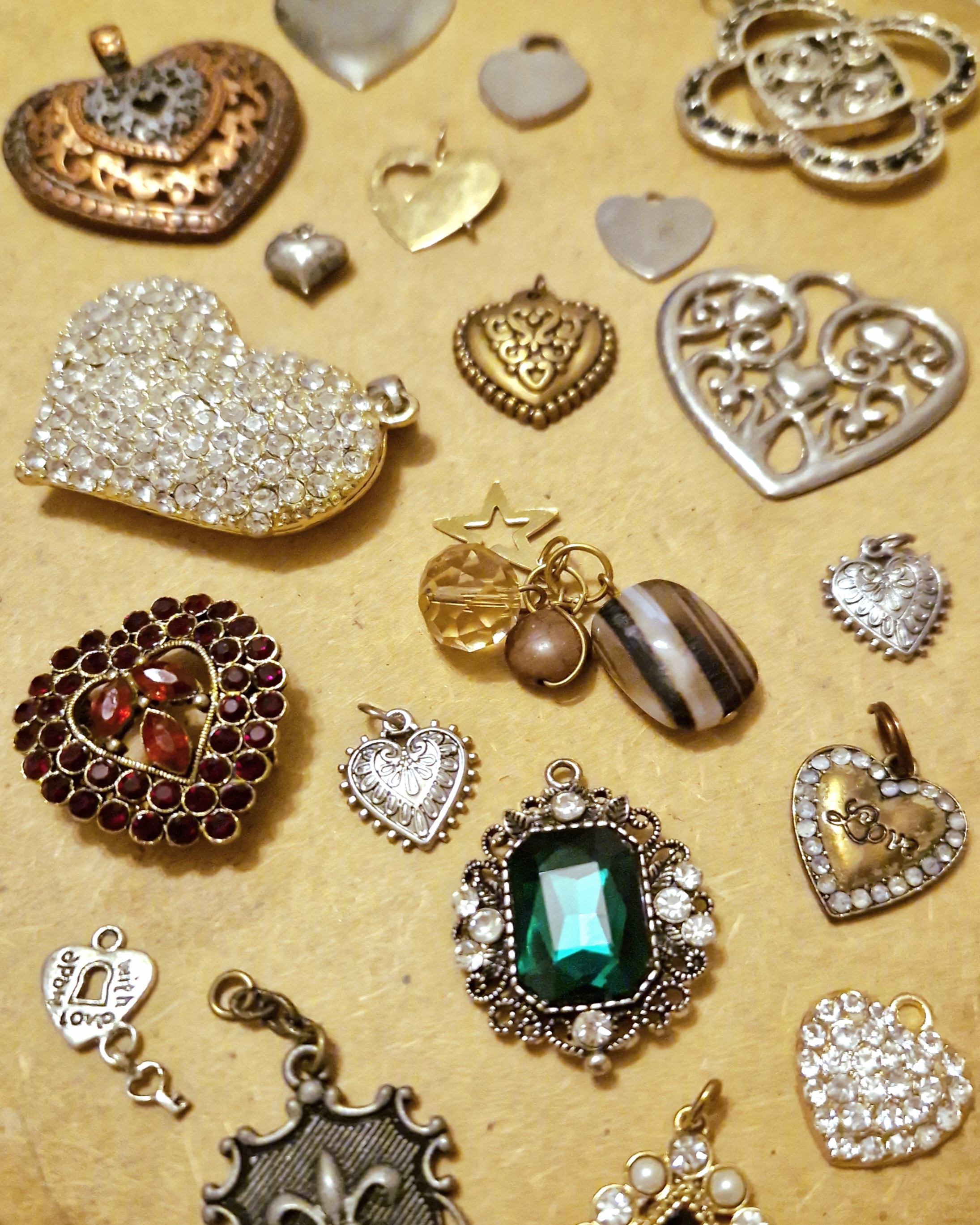
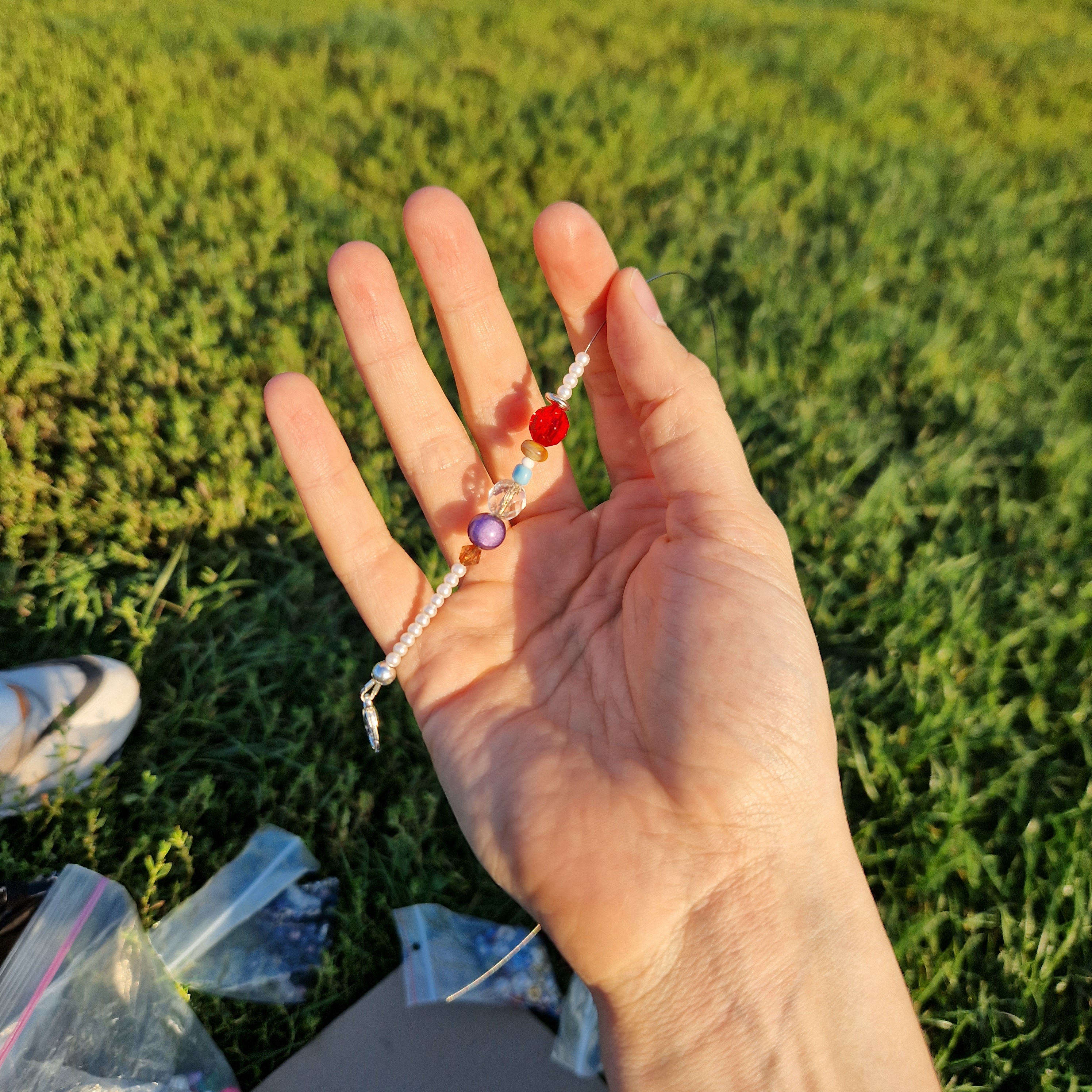
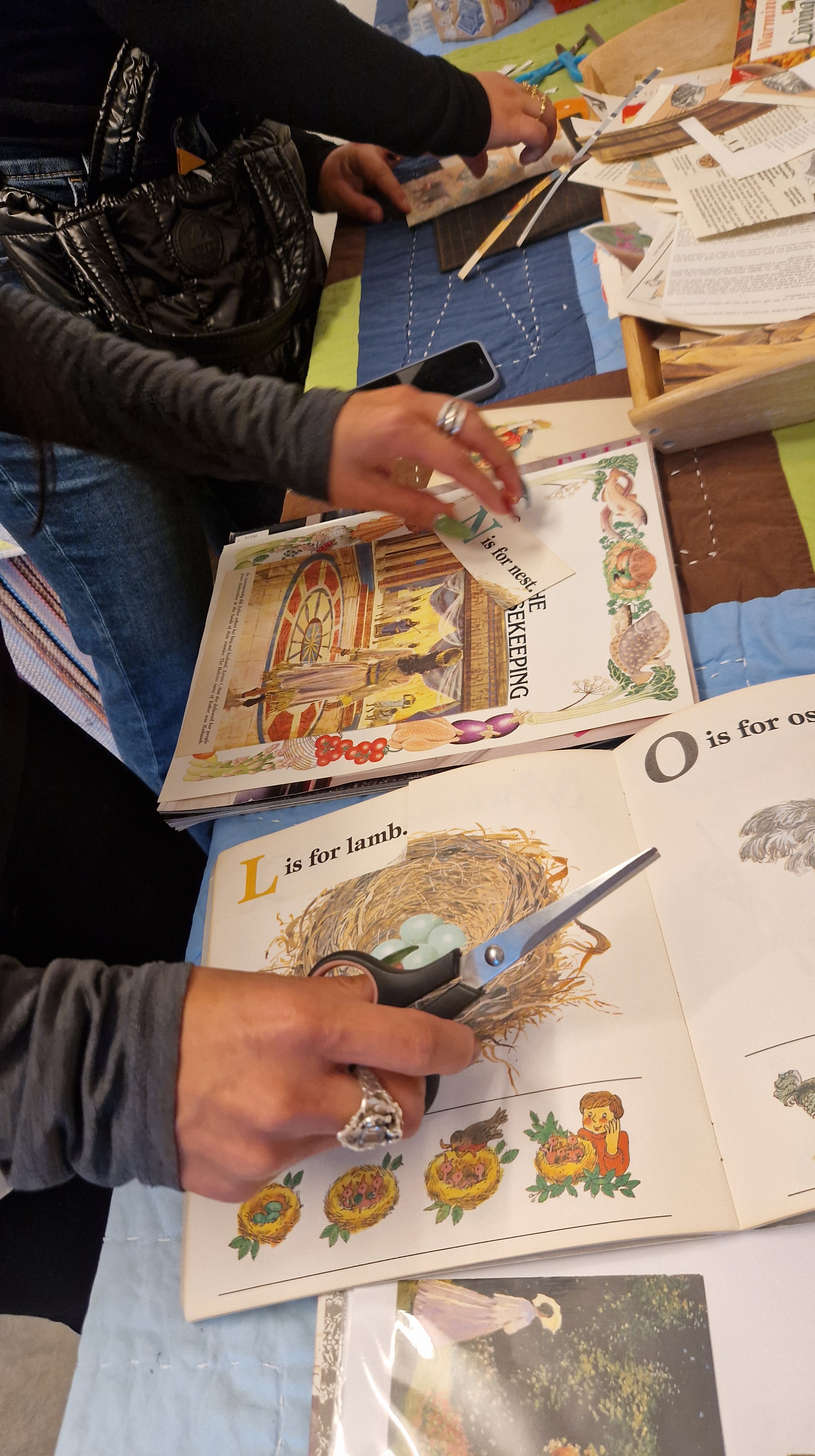
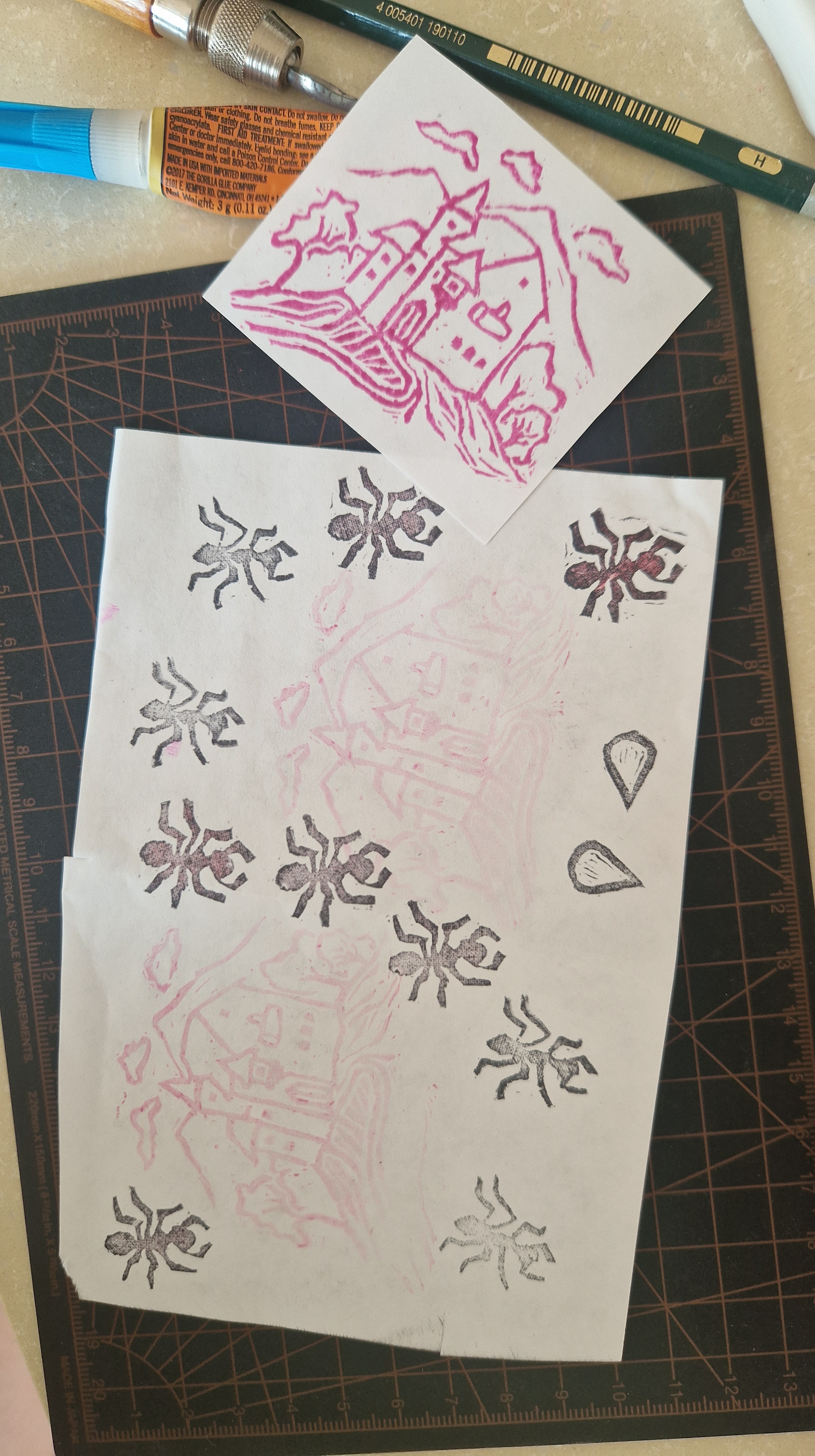
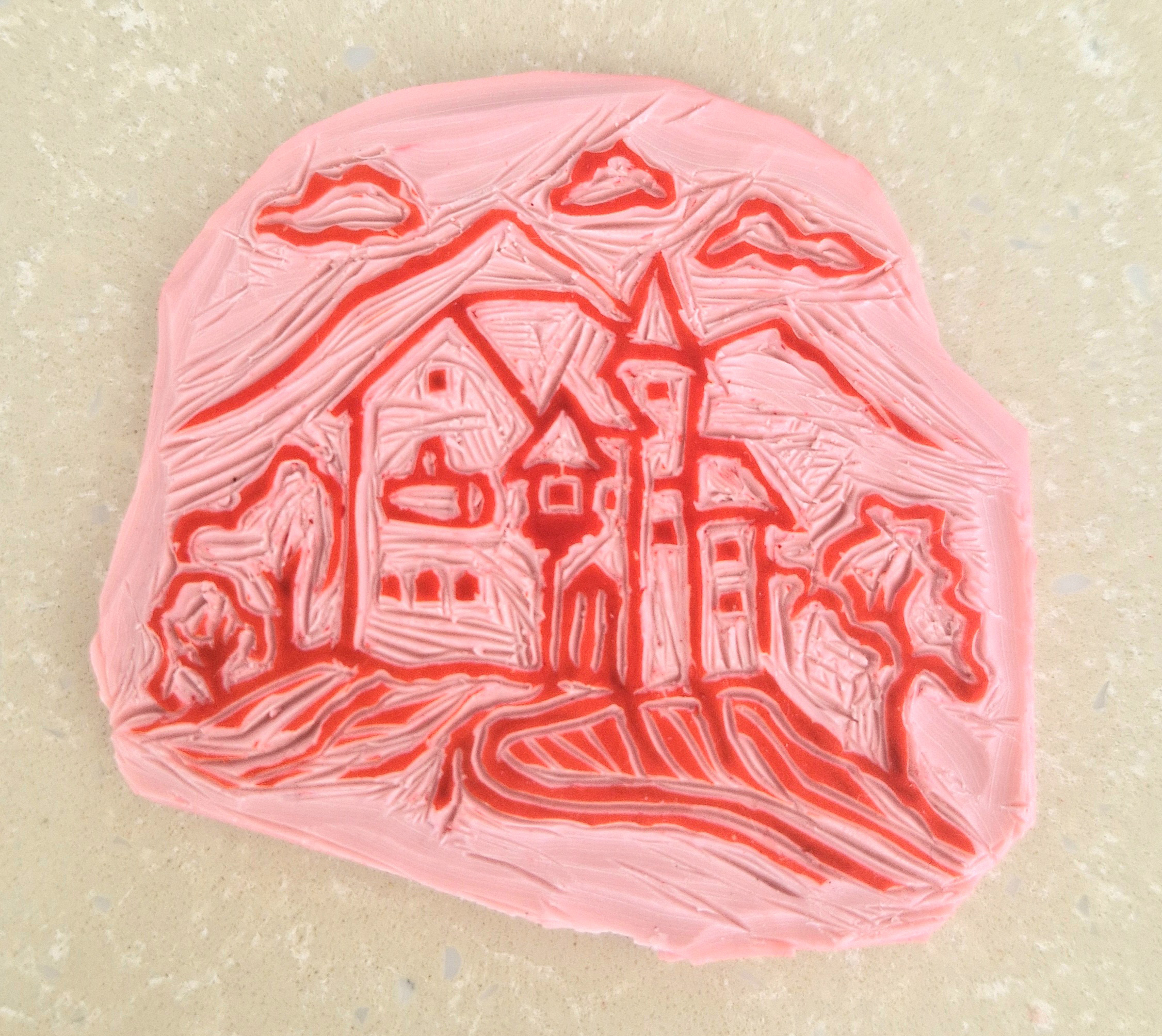
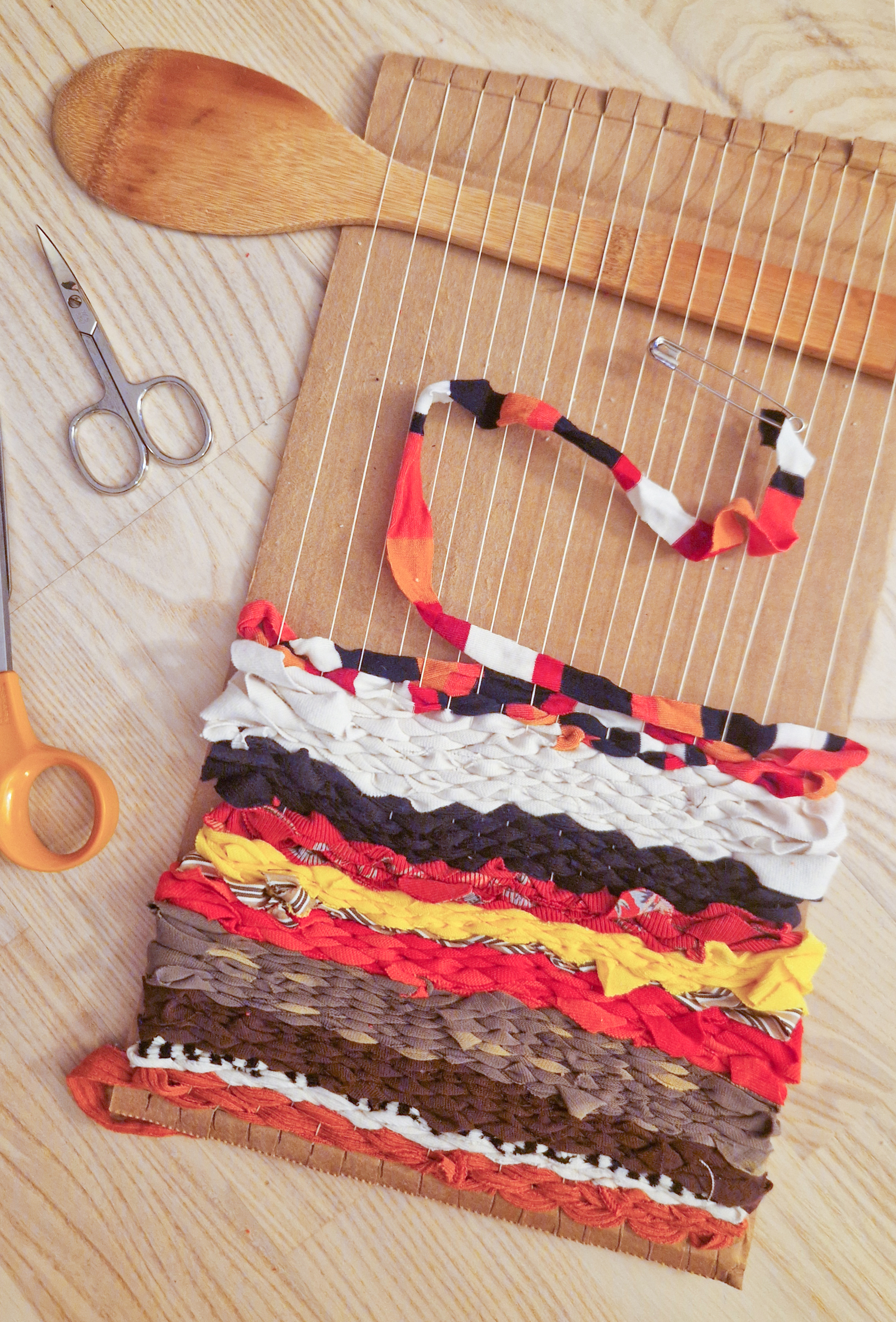
I see workshops as doors to a new practise, and in my case, the practise is turning other people´s trash into one´s own treasure. By utilising materials that are easy to come by second-hand, such as paper, beads, and fabric scraps, and methods that require minimal technology, I try to create experiences that not only teach one how to make a specific product, but also how to see creative potential in discarded objects in general. I believe that the simpler a technique is (think junk collage, stamp carving, turning old jewelry into new, weaving on a DIY loom), the more it supports that first important step towards creativity that is also environmentally sustainable. My workshop method is a gateway to opening our eyes to the surplus of material all around us, just waiting to be turned into something new and meaningful.

Approach 2 – create a world & invite them in
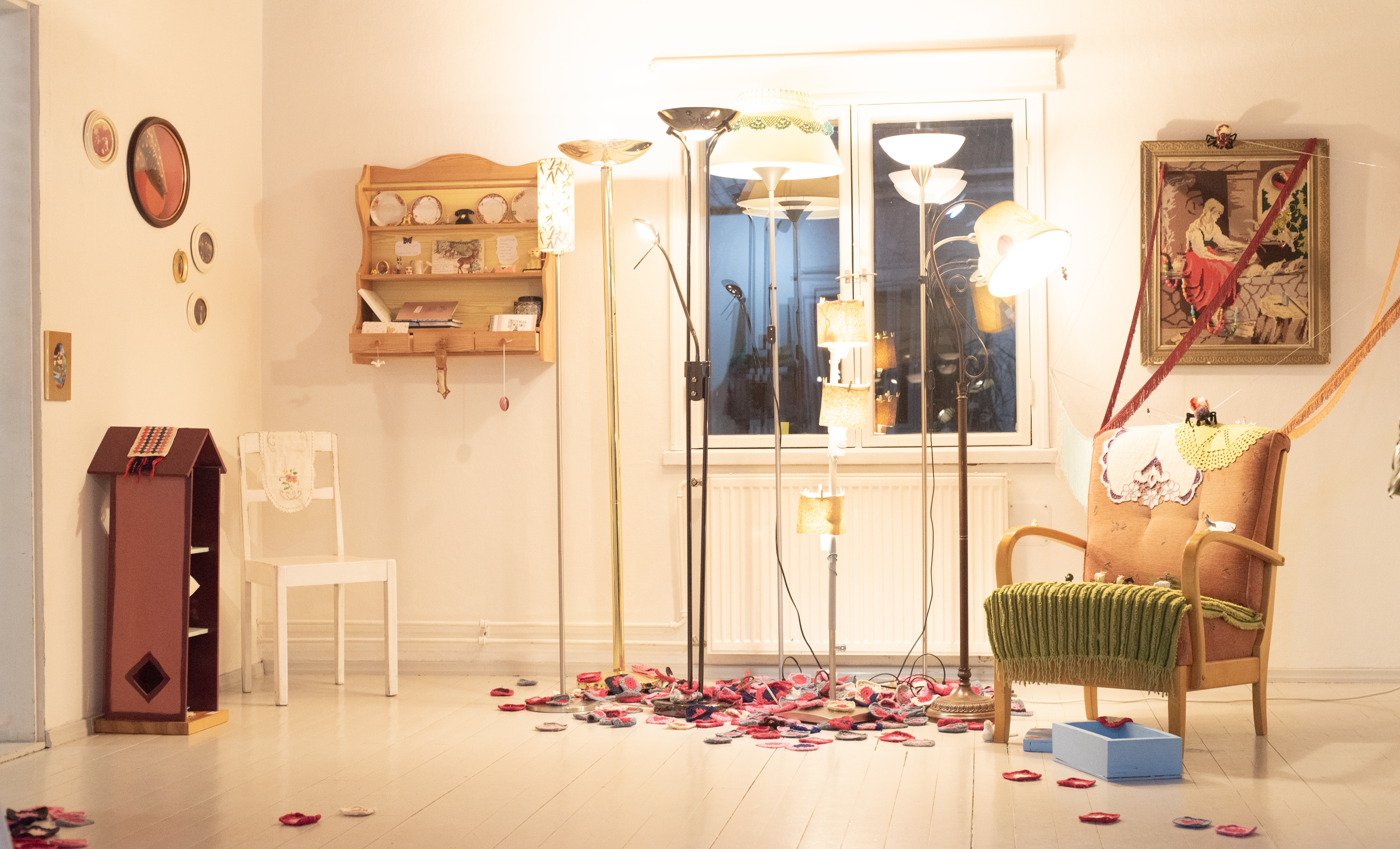
Making installations with discarded and second-hand items is a practical way of demonstrating how old things can be preserved and repurposed. When combined with an on-site guide, this method is especially effective as an educational tool for the circular economy principles. I have had the opportunity to create temporary environments in public on 3 occasions so far, and I have acted as a guide to 2 of them. For the exhibition ”Whimsical grandma´s place”, which I did in collaboration with 3 other artists in Vantaa, Finland, I was able to add interactivity to the space by organizing material swaps and collage workshops. The conversations with people who explored this space really showed me the power of leading by example.
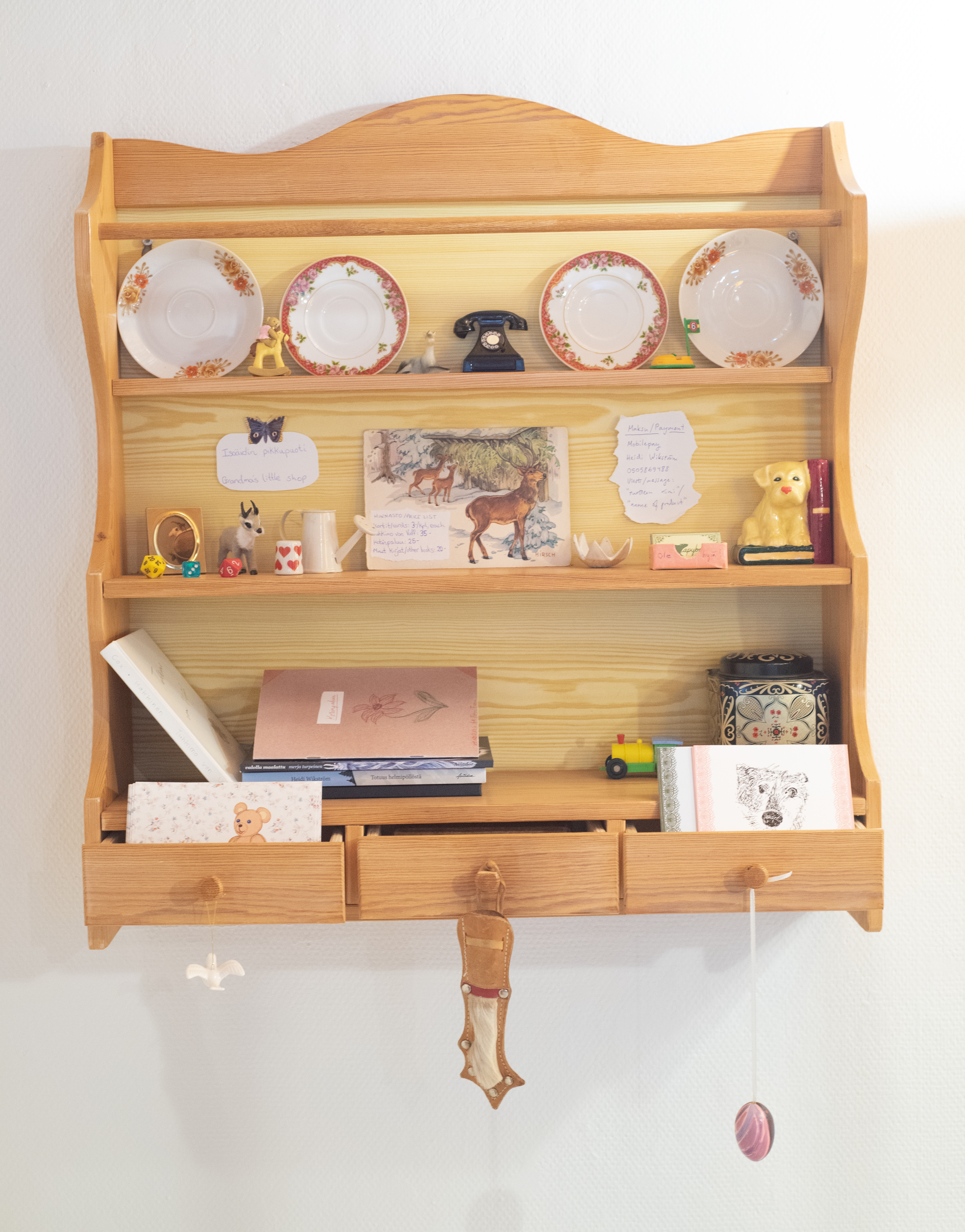
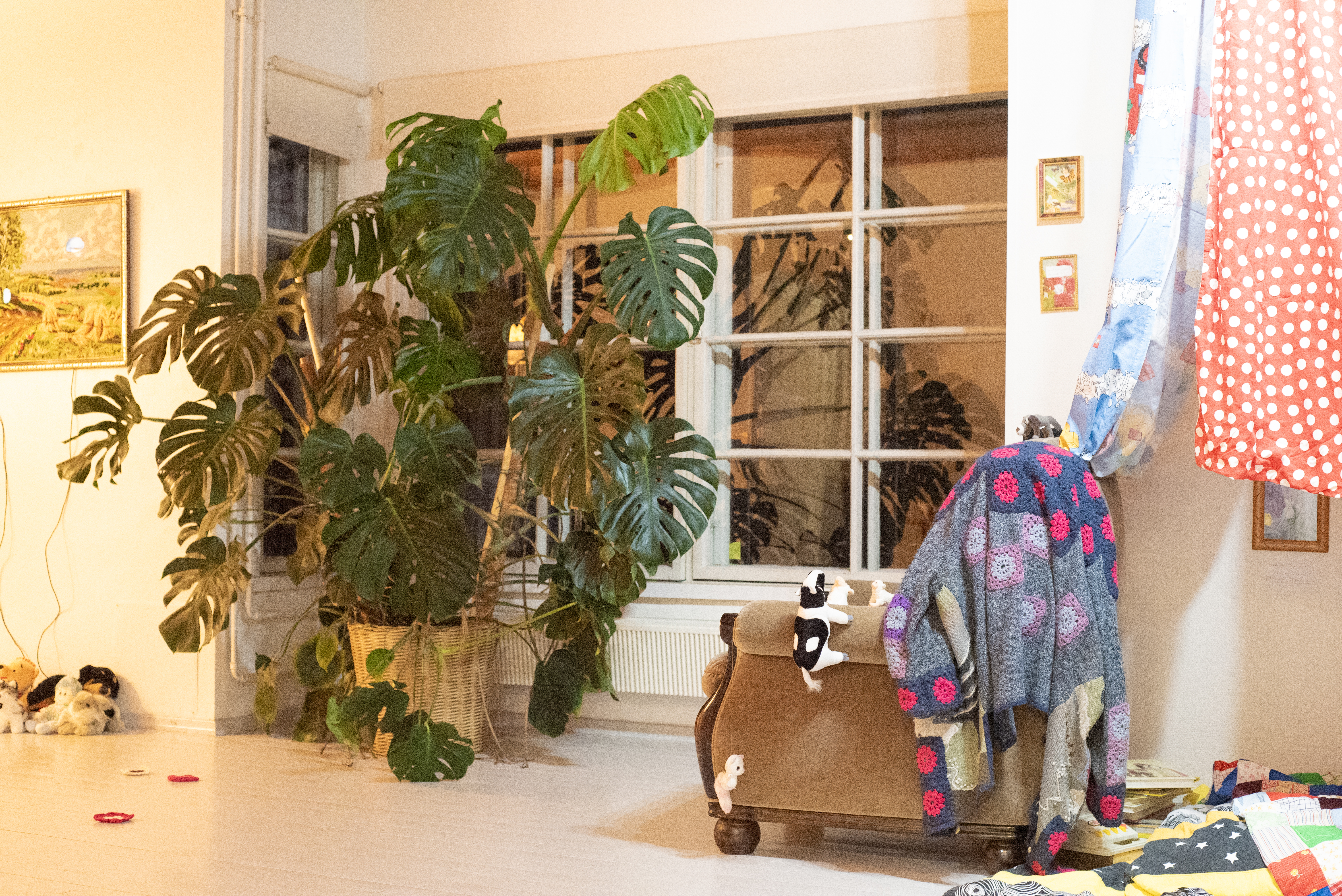
See some pictures of ”Whimsical grandma´s place” below. This environment was created with 100% second-hand items and furniture, and included assemblage sculptures for children to touch and interact with. The lamp forest was put together by crowdsourcing and fixing old lamps, and the plant was bought from an online community of plant hobbyists. In the space, there were 8 hidden pictures, the discoverer of which was gifted a second-hand fairy tale book. Additionally, there was a cardigan on display mended by the ”invisible grandmother” who, in real life, is a senior lady who acts as a community grandmother in Asikkala, Finland. More information on the exhibition is available here (in Finnish).
Are you interested in working with me? I am happy to discuss anything related to creative sustainability – just click the button below to send me an email!
Talo House by Kapybara The Art Collective
Designed by Esther Punny without AI
 Kapybara The Art Collective